

The social implications of gambling a deep dive into World Cup 2026 AI Group E's impact on communities
The Rise of Gambling in Sports
Gambling has evolved from a niche pastime to a mainstream activity, especially in the context of sports. Major events like the World Cup attract millions of viewers worldwide, and with that, the gambling industry sees significant growth. This trend has been fueled by advancements in technology, including mobile betting apps and online casinos, making it easier than ever for fans to place wagers on their favorite teams. The excitement surrounding major tournaments creates a unique environment where betting becomes intertwined with the sporting experience. Fans looking to refine their strategies can benefit from the Detailed World Cup Group E AI prediction report on aiworldcup2026predictions.com, which provides insights based on data analysis.
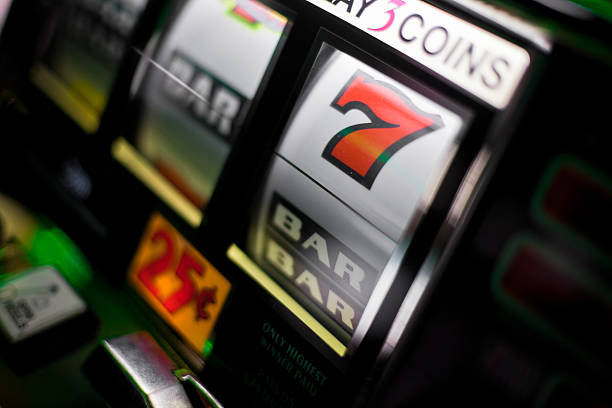
This surge in gambling is particularly pronounced during high-profile events like the World Cup. In 2026, when Group E matches unfold, communities will witness not only the thrill of competition but also the financial implications of increased gambling activity. Local economies stand to benefit from the influx of tourists and spectators who engage in betting activities, enhancing overall revenue for businesses. This duality highlights the need for a balanced discussion on the social ramifications of gambling, which can lead to both prosperity and challenges for communities.
Moreover, the role of artificial intelligence in predicting match outcomes is shaping the betting landscape. Platforms that utilize AI analytics provide bettors with insights based on historical data and team performance. This data-driven approach may attract a broader demographic to gambling, including those who may not have previously participated. However, this increased accessibility also raises concerns about responsible gambling practices, necessitating community awareness and education regarding potential risks associated with sports betting.
The Impact on Local Economies
Local economies often experience a significant boost during major sporting events due to increased tourism and related spending. The World Cup, particularly in 2026, will likely bring thousands of visitors to host cities, leading to heightened economic activity. This influx can benefit local businesses, including hotels, restaurants, and entertainment venues, as visitors engage in both the event and associated leisure activities, including gambling. The economic ripple effect can be substantial, with increased job opportunities and revenue generation for local governments.
However, while local economies may thrive, the benefits can be unevenly distributed. Larger businesses may capitalize on the influx of visitors, while small enterprises may struggle to compete. Additionally, local communities must grapple with the social costs of increased gambling activity, such as gambling addiction and its potential impacts on family dynamics and community health. Striking a balance between economic growth and the social well-being of residents is essential as the World Cup approaches.
Furthermore, casinos and betting shops may see an uptick in traffic during the World Cup, leading to increased profits. These establishments are not just sources of entertainment; they also contribute to local tax revenues, which can fund community programs. However, it is crucial for local governments to implement measures that promote responsible gambling, ensuring that the economic benefits do not come at the expense of community welfare. This balancing act will be vital as communities prepare for the World Cup and the accompanying gambling surge.
Social Challenges and Responsible Gambling
With the excitement of the World Cup and the rise of gambling, social challenges inevitably emerge. Gambling addiction remains a significant concern, affecting individuals and families alike. As communities become more exposed to gambling through major events, it is imperative to recognize the signs of gambling-related issues and promote education around responsible gambling practices. Awareness campaigns can help demystify gambling and encourage healthier habits among bettors.
Communities must also address the stigma associated with gambling addiction. Open dialogues about the potential risks associated with gambling can foster a more supportive environment for those affected. Local organizations, including mental health services and counseling programs, should be equipped to assist individuals struggling with gambling addiction. By providing resources and support, communities can mitigate the negative social implications of increased gambling activity during the World Cup.
Moreover, fostering a culture of responsible gambling will require collaboration between local governments, educational institutions, and gambling establishments. Programs that emphasize the importance of self-regulation and informed decision-making can help protect vulnerable populations from the adverse effects of gambling. As the World Cup approaches, proactive measures will be essential to ensure that the excitement of the event translates into positive experiences for all community members.
The Role of AI in Gambling Predictions
The integration of artificial intelligence in the gambling sector has transformed how bets are placed and perceived. AI-driven platforms offer fans data-based insights that enhance their betting strategies. By analyzing historical performance, team dynamics, and even player health metrics, these tools empower bettors to make informed decisions. This technological advancement can be particularly beneficial during the World Cup, where every detail can influence outcomes.
However, this reliance on technology brings its own set of challenges. While AI can provide valuable predictions, it can also lead to overconfidence among bettors. The belief that algorithms can guarantee success might encourage risky behaviors, as individuals may wager more than they can afford to lose. Communities must remain vigilant in promoting responsible gambling practices, especially as AI-driven platforms become more prevalent during the World Cup.
Additionally, the ethical implications of AI in gambling must be examined. As technology continues to evolve, it is essential for regulators to stay ahead of potential misuse. Responsible gaming initiatives should incorporate guidelines for the ethical use of AI in the gambling industry, ensuring that technology enhances the betting experience without compromising public safety. As World Cup 2026 approaches, stakeholders must work together to address these challenges, creating a balanced framework that promotes healthy gambling habits.
:max_bytes(150000):strip_icc()/GettyImages-560231979-d28ad2e66dcf4cae9fc319f46e606c21.jpg)
Website Insights and Community Engagement
The Predictions platform serves as a vital resource for bettors seeking data-driven insights and betting tips. By offering in-depth analyses of matchups, this platform empowers users to make informed decisions, thereby enhancing their overall World Cup experience. The use of advanced technology not only caters to seasoned bettors but also welcomes newcomers to the betting scene.
Furthermore, the website emphasizes the importance of responsible gambling, providing users with resources to understand the risks involved in betting. By prioritizing community awareness and education, the platform contributes to a more informed betting environment, mitigating potential social challenges related to gambling. This proactive approach not only benefits individual bettors but also fosters a healthier community surrounding the World Cup.
Ultimately, the World Cup represents a unique opportunity for communities to engage with one another while navigating the complexities of gambling. By leveraging resources like the AI Predictions platform, individuals can enhance their understanding of the betting landscape while remaining mindful of its implications. As the tournament approaches, engaging in discussions about responsible gambling will be essential to ensure a positive impact on communities and their economies.
